Money online
The extra fees on internet bills
The price in the advertisement is the base price. The figure that leaves your account is the base price plus equipment, plus administration…
You funded an account with a card and want the money back in a bank account, and the platform will not let you.
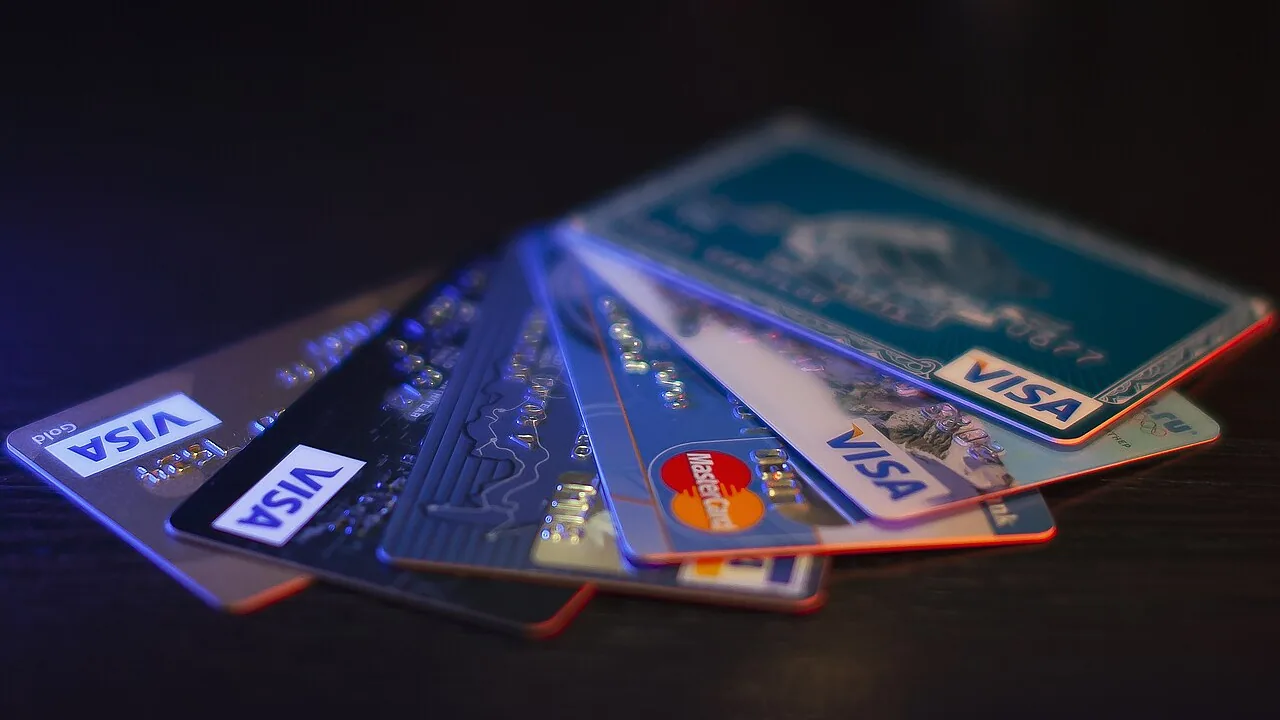
You funded an account with a card and want the money back in a bank account, and the platform will not let you. That is not an arbitrary obstacle: it is the closed-loop rule, and almost every regulated service that takes deposits and pays out again applies some version of it.
The principle is that funds return to their source up to the amount that arrived from it. Deposit two hundred by card and the first two hundred withdrawn goes back to that card; only what is left over can be sent elsewhere. Some services apply it per method, some track a net figure across all of them.
The reason is anti-money-laundering supervision. A service that let money in by one route and out by another would be a convenient way to change the origin of funds, so regulators expect operators to close that loop and to keep records showing they did. Payment networks reinforce it: a refund to a card has to follow the original transaction, which is why the card route is usually the first one offered.
Once the original method has received back everything it sent, the rest is generally free to go elsewhere. Beyond that, exceptions exist for practical reasons: the card has expired or been reissued, the wallet has been closed, the original method cannot receive payments at all, or the deposit is old enough to fall outside the window the platform checks.
In each of those cases expect to prove the account is yours. Photo identification, proof of address, a bank statement showing the destination account in your name, and sometimes evidence that the old card is gone. Providing it once, before the first withdrawal, is considerably faster than assembling it while a payout sits pending.
Deposit with the method you want to be paid by. It is the whole answer, and it is worth a moment's thought before the first top-up, because the route you choose then determines the route out for as long as the balance lasts.
Where that is not possible, ask support in writing which rule the platform applies — per method or net — and what it accepts as evidence for a change. Keep the reply. If a payout is later refused on a rule the terms do not state, that message is what a complaint to the regulator or the dispute body rests on.
The price in the advertisement is the base price. The figure that leaves your account is the base price plus equipment, plus administration…
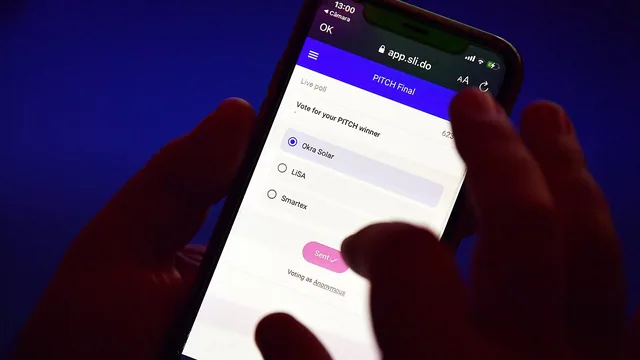
Paying online with a card, a wallet or a bank transfer looks like the same act with three buttons.
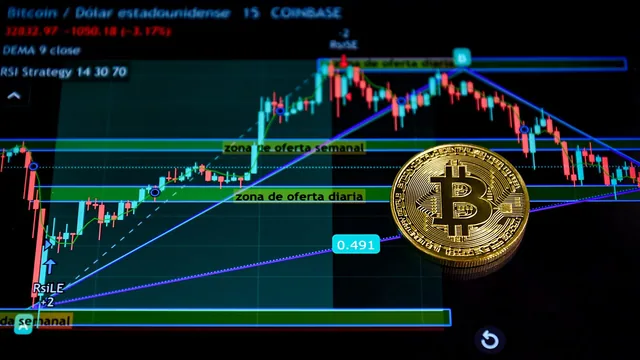
Payment services close, merge and rebrand regularly, and the balance sitting in one is not a bank deposit.