Money online
Wallet, card or bank transfer
Paying online with a card, a wallet or a bank transfer looks like the same act with three buttons.
Most unrecognised charges are not fraud. They are a legal entity you have never heard of, a subscription you forgot, or a fee attached to a purchase you do remember.
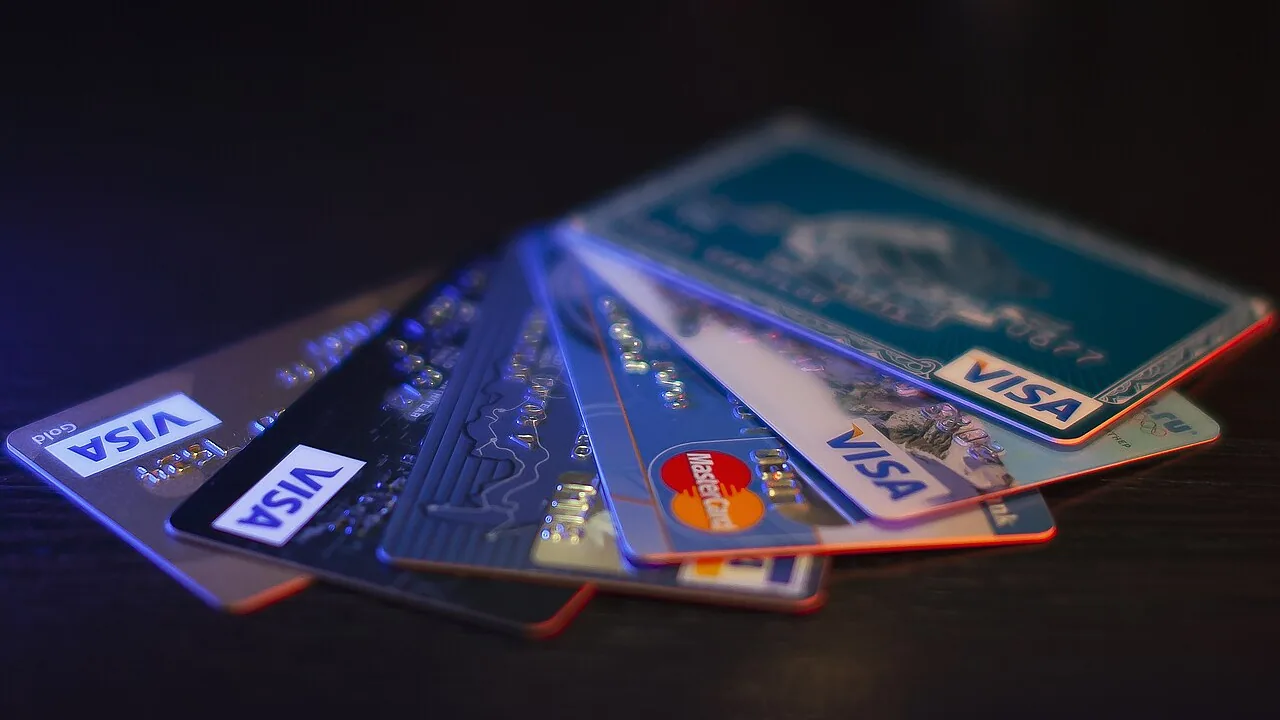
Most unrecognised charges are not fraud. They are a legal entity you have never heard of, a subscription you forgot, or a fee attached to a purchase you do remember. It is worth spending ten minutes identifying one before reporting a card lost and replacing everything attached to it.
What appears on a statement is the merchant descriptor, and it is set by the seller's payment provider rather than by the shop's signage. It commonly carries the registered company name, a parent company, a billing platform, or the city where the acquiring bank sits — which is how a local café appears as a holding company in another country.
Two other patterns look alarming and are routine. A small charge, often under a euro or dollar, that disappears within days is an authorisation check used to confirm a card is live. And a charge in a foreign currency may arrive split: the purchase itself, then a separate foreign transaction fee added by your issuer, typically a few percent.
Search the exact descriptor string, including any reference number, in a search engine: most obscure descriptors are already documented by other people who asked the same question. Then compare the amount and date against email receipts, app store and platform subscription lists, and any card stored in a family member's device.
Check the date it posted rather than the date you spent. Card transactions settle a few days after purchase, so a charge dated Monday may belong to Friday night, and hotels, car hire and fuel stations commonly hold an amount at the start and charge a different one at the end.
Banking apps increasingly hold the answer themselves: many now display the trading name, the logo and the location of a transaction, and some offer a "what is this?" link that resolves the descriptor for you.
If nothing accounts for it, treat the charge as fraud rather than as a dispute with a merchant, and say so when you call — the two follow different processes and different deadlines. Report it promptly: consumer protection for unauthorised card transactions is strong, but it is conditional on telling the bank without undue delay.
Then look at the rest of the statement for a second small charge in the same window. Testing a stolen card with one tiny payment before a large one is a standard pattern, and spotting the pair is what turns a minor annoyance into a card cancelled before the real damage.
Paying online with a card, a wallet or a bank transfer looks like the same act with three buttons.
Payment services close, merge and rebrand regularly, and the balance sitting in one is not a bank deposit.
A crypto withdrawal that sits on Pending for hours is usually stuck at one of two very different points: it is either still inside the exchange…