
Money online
The extra fees on internet bills
The price in the advertisement is the base price. The figure that leaves your account is the base price plus equipment, plus administration…
Payment services close, merge and rebrand regularly, and the balance sitting in one is not a bank deposit.
Payment services close, merge and rebrand regularly, and the balance sitting in one is not a bank deposit. What protects it is a different mechanism with a different name, and what you do in the first week of a wind-down notice matters more than anything you do later.
An e-money or payment institution is not allowed to lend your balance out. It must safeguard it: hold customer funds in a separate account at a bank, or cover them with an insurance policy, so that they are not part of the company's own money if it fails.
That is a real protection and a narrower one than a deposit guarantee. Safeguarded funds are returned through an administrator once the accounts are reconciled, which takes months rather than days, and the costs of the administration can be taken from the pot. Deposit guarantee schemes, which pay out quickly up to a fixed amount, generally do not apply to electronic money at all.
An orderly wind-down comes with notice, and a regulated provider must give it — commonly two months for a straightforward account closure. Use the first days of it: withdraw the balance to a bank account, export the transaction history you will need for accounts or tax, and note which cards are attached to the service.
Then find the recurring payments. Subscriptions billed to a card issued by the service, salary or marketplace payouts arriving into it, direct debits leaving it: each has to be repointed at the new account by you, because nothing transfers automatically between payment providers the way a bank account switch does.
Occasionally a regulator suspends a firm and accounts stop working overnight. In that case the instructions come from the administrator or the regulator, and they are published rather than emailed; the messages that arrive by email in those weeks are disproportionately fraudulent.
Make a claim through the official process when it opens, with your account identifier, the balance as of the freeze and any statement you saved. Keep the evidence you already have — a screenshot of the balance on the day access stopped is worth considerably more than a recollection of it.
The broader lesson is about where balances live. A payment service is a way to move money, not a place to keep it: leave in it what you are about to spend, and keep the rest where it is covered by a deposit guarantee.
The price in the advertisement is the base price. The figure that leaves your account is the base price plus equipment, plus administration…
Paying online with a card, a wallet or a bank transfer looks like the same act with three buttons.
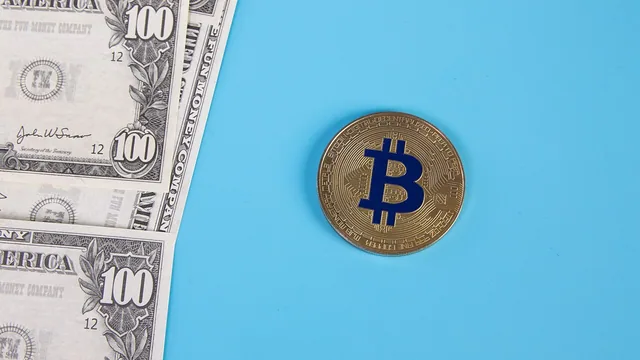
A crypto withdrawal that sits on Pending for hours is usually stuck at one of two very different points: it is either still inside the exchange…