
Money online
The extra fees on internet bills
The price in the advertisement is the base price. The figure that leaves your account is the base price plus equipment, plus administration…
An online card payment is refused by your bank, not by the shop. The message on the checkout page is a translation of a code sent back by the card issuer…
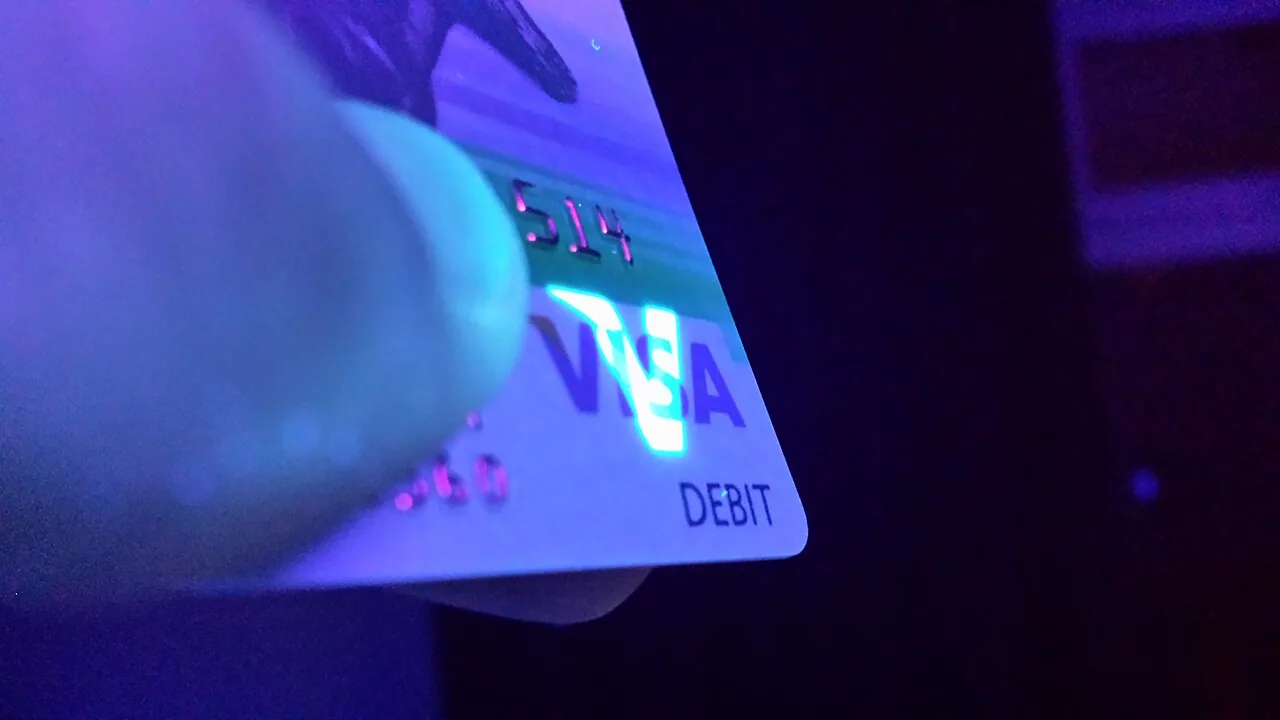
An online card payment is refused by your bank, not by the shop. The message on the checkout page is a translation of a code sent back by the card issuer, and it is deliberately vague: telling the world exactly why a card failed would help fraudsters more than customers.
A hard decline is final. The card is expired, reported lost, cancelled, or the account is closed, and retrying achieves nothing except another entry in the issuer's risk log.
A soft decline is a request for something more. The most common is a missing authentication step: in Europe, strong customer authentication rules mean many online payments must be confirmed in your banking app, and a payment that skips that check is bounced back with an instruction to try again properly. Insufficient funds, a temporary hold and a limit exceeded for the day fall in the same category — the payment can succeed later, or with an extra step.
Details that do not match are first: a billing address changed since the card was issued, a name entered differently from the one on the account, an expiry date from the previous card. Address and card security code checks compare what you typed with what the bank holds, and a mismatch is enough on its own.
Then the risk rules. A first purchase from an unfamiliar country, an unusually large amount, several attempts in quick succession, or a merchant category your bank restricts — gambling, crypto and some subscription services are blocked by default on many cards — all produce a refusal that has nothing to do with your balance.
Finally the mechanics: a card not enabled for online or international use, a virtual card with a per-transaction limit, a prepaid card that cannot support a recurring payment, or a device that failed to complete the bank's confirmation because a notification never arrived.
Stop retrying. Repeated attempts look like card testing and can lock the card outright; three tries is the practical limit before something else has to change.
Check the obvious fields first, then look for the bank's own notification, since many issuers send a message asking you to confirm the payment and cancel it if you do not respond. If nothing arrives, the banking app usually shows the declined attempt with a plainer reason than the shop ever gets, and often an option to approve it.
If the bank shows nothing at all, the refusal may not have reached it. Payments can be blocked by the shop's own fraud screening before the issuer ever sees them, and no amount of calling the bank will fix that — at which point a different payment method is faster than an argument.
The price in the advertisement is the base price. The figure that leaves your account is the base price plus equipment, plus administration…
Paying online with a card, a wallet or a bank transfer looks like the same act with three buttons.
Payment services close, merge and rebrand regularly, and the balance sitting in one is not a bank deposit.