
Money online
The extra fees on internet bills
The price in the advertisement is the base price. The figure that leaves your account is the base price plus equipment, plus administration…
At a foreign checkout, a card machine or a website asks whether to charge you in the local currency or in your own.
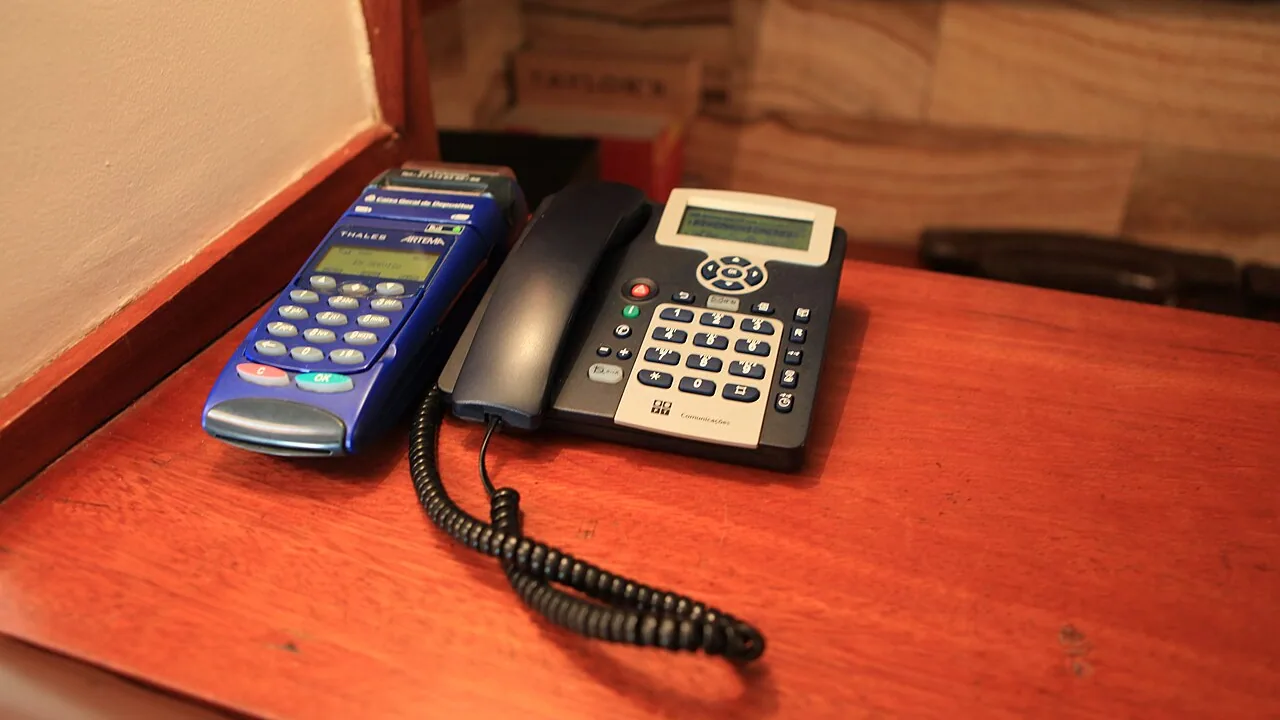
At a foreign checkout, a card machine or a website asks whether to charge you in the local currency or in your own. It looks like a courtesy. It is a sale, and the answer is almost always the local currency.
Charging you in your home currency abroad is called dynamic currency conversion. The merchant's payment provider does the conversion at a rate it sets, and keeps part of the margin, sharing it with the merchant. Accepting it means the exchange rate is chosen by the party selling you the goods.
Decline it and the amount goes through in the local currency. The conversion then happens once, at your card network's wholesale rate, with your issuer's foreign transaction fee added on top — typically between nothing and about three percent, and printed in your card's terms where you can check it in advance.
The comparison is between a published rate plus a known fee, and an unpublished rate with a margin built in. Conversion markups on this kind of offer commonly run several percent and can be much higher, and they are quoted as "no fee" precisely because the cost is inside the rate rather than beside it.
There is one genuine advantage: you see the exact amount in your own currency at the moment of paying, with no exchange rate movement afterwards. If certainty over a single figure matters more than a few percent, it is a defensible choice. For anything else, it is an expensive comfort.
European rules now require card issuers to show the markup over the reference exchange rate for conversions inside the European Economic Area, which makes the comparison visible where it applies — and which is why the offer is most aggressive where those rules do not reach.
Online, look for a pre-ticked currency selector near the total and switch it to the seller's own currency before paying. On a card terminal, the offer appears as two amounts on the screen: choose the one in the currency of the country you are standing in. At a cash machine, the same prompt appears as "conversion guaranteed" or "with conversion" — decline it.
If the choice is taken away from you and a receipt arrives already converted, that is worth contesting: the rules of the major card networks require that the cardholder is offered the choice, and issuers do act on complaints where it was not given.
The price in the advertisement is the base price. The figure that leaves your account is the base price plus equipment, plus administration…
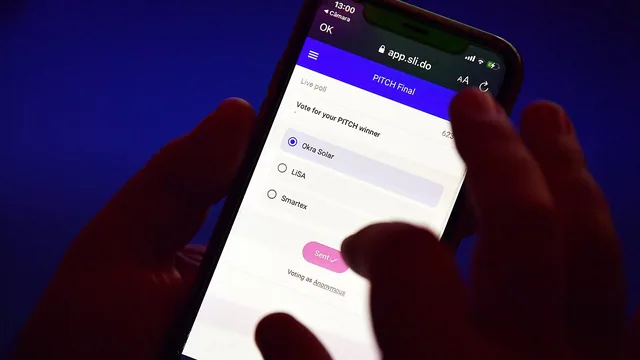
Paying online with a card, a wallet or a bank transfer looks like the same act with three buttons.
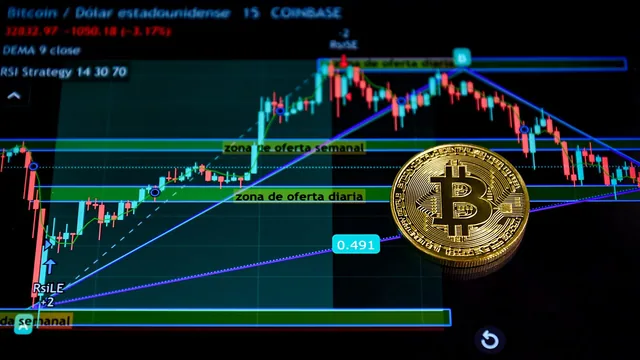
Payment services close, merge and rebrand regularly, and the balance sitting in one is not a bank deposit.