
Gambling
Ecuador licencia de apuestas deportivas
El Ecuador ha diseñado una reforma dentro de su sistema de licencias de apuestas deportivas.
TL;DR - Table limits are the minimum and maximum bets you can place at a table. Comps are services (free food, hotel rooms, free play, etc) offered by the casino…
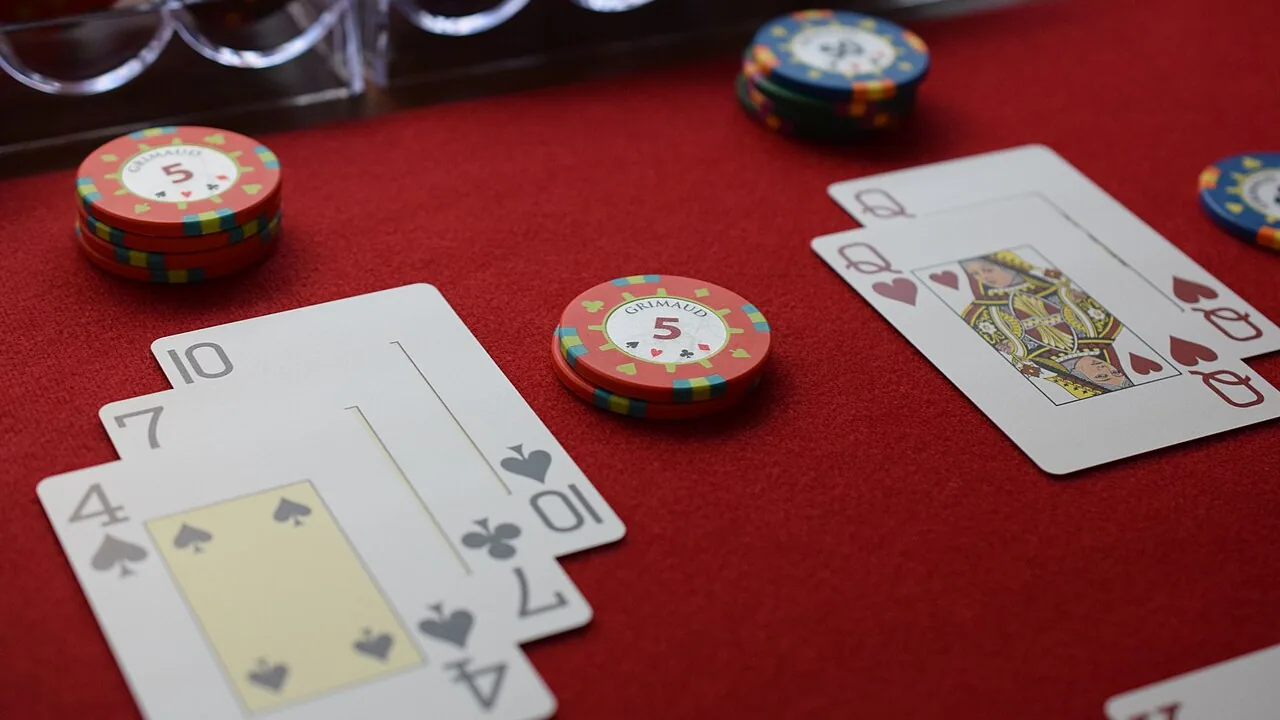
TL;DR - Table limits are the minimum and maximum bets you can place at a table. Comps are services (free food, hotel rooms, free play, etc) offered by the casino for your playing time. How to use: Request a floor supervisor in the downtime a table is open to reduce the table minimum or raise the table maximum. How to use: Get rated, establish a solid average bet, play low house edge games, request a small comp toward the end of your play session.
There is a minimum bet (a table’s lowest denomination) and a maximum bet (the table’s highest denomination). The limits of the table are displayed on a little placard on the table, which might say, “$25–$2,000.” This placard tells you the lowest and highest denomination in which you can begin and then spread the bet up to. The limits determine your risk, your length of play, and your level of comfort.
Lower limits allow you to play for a longer period of time on a small bankroll. Higher limits are better suited to a higher bettor or a pressing strategy. Table limits can also change at different times of the day. The tables on the main floor may have a lower minimum bet during the day but a higher minimum at night and during the weekend. High-limit tables will usually be higher but offer a better atmosphere and more seclusion.
Sometimes a game has different limit rules. For example, in Roulette there is an inside and an outside limit. In Craps there is a table limit, and sometimes a separate limit for one-roll “prop” bets. In a poker room, the limits are buy-in limits, not per-hand limits like in house-banked games.
The staff has a three-part formula that rates you:
The comp rate is usually 20%–40% of theo for table games, but varies depending on the property, the game, the tier, and whether a host intervenes.
Theo = 50 × 70 × 0.012 × 4 = $168. Comps @ 30% comp rate would be worth approximately $50.
Good news: You can often adjust limits. Not always, but often. The key is to ask the right person at the right time in a nice way.
The good news is that you can sometimes increase those limits.
And all you need to do is to ask the correct person at the correct time and in a friendly way.
Remember, your objective is value, not benefits.
Your bankroll is the money you set aside to play. You want it to fit the table min and the game’s swings. Simple rules of thumb:
Example: If you bring $1,500 and want a 3-hour blackjack session, a $25 table is safer than a $50 table. You can also last longer at a full table where the game is slower.
Never risk rent or food money. Set a stop-loss before you start. Keep breaks. If things go bad, walk and try another day. For basic house-edge facts and game math, you can read the American Gaming Association education pages (americangaming.org/" rel="noopener" target="_blank">americangaming.org) and UNLV resources (gaming.unlv.edu/reports/" rel="noopener" target="_blank">gaming.unlv.edu/reports).
Pick casinos that match your style. Look for:
Ideally, your bankroll should meet both the minimum buy-in for your chosen table and also allow you to survive the natural swings of the game.
Online live-dealer tables often have lower mins than land casinos. They also play faster, so your decisions per hour go up. Loyalty online can be “cashback,” bonus credits, or points. Always check the rules: how each game earns points, what the comp rate is, and any wagering rules for bonus credits.
Example: If you have $1,500 and you want to play blackjack for three hours, don’t play at a $50 table; play at a $25 table. And you’ll survive longer at a full table where the pace of play is slower.\nDon’t gamble with your rent or grocery money. Decide on a stop-loss before you begin. Take time-outs. If things aren’t going well, leave and come back another day. For some simple facts on the house edge and the mathematics of the games, check out the AGA’s education pages at americangaming.org or the reports at UNLV’s gaming.unlv.edu.
You can use a 3rd party site that monitors table minimums, club membership, and comp structure.
Yes, if you play smart. Get rated every time, play low-edge games, and keep a steady average bet. You might earn meals, match play, or small free play. Do not raise your bet just for comps.
About 20%–40% of theo is common. Some casinos give less. A good host may help if you are close to a room or dinner comp. It helps to ask.
It is harder at peak times. Try slower hours, early weeknights, or mornings. You can also ask for a fresh table to be opened at your target min if staff is free and the pit is not busy.
Most use: average bet × hands per hour × house edge × hours played. That’s your “theo”. You earn comps based on that. Some casinos return 20%-40% of theo on table games. It depends on the casino and the game.
Certainly, if you're smart about it. Be rated whenever possible, choose low house edge games, and maintain an average bet size. You may get food, matchplay or a little freeplay. Don't increase your bet size solely to get comps.
Theo ranges from 20%-40% give or take a little, some casinos are more stingy.
Or request a new table be started at your desired min if there aren't other tables waiters can attend to and it's not busy in the pit.
Tipping won't alter the math. But being friendly with the servers can go a long way with service and comps. Don't tip for comps. And only tip if you feel like it and can afford it.
El Ecuador ha diseñado una reforma dentro de su sistema de licencias de apuestas deportivas.

Setting a strict gambling budget and sticking to it should always be your top priority. In fact, it’s the very first step toward responsible gambling, whether…

This is mainly because of the negative effects that dominated the casino gambling industry for so long.