
Security
How to check a gambling licence
Your friend drops a link in chat. “Fast payouts. Big bonus.” You feel the itch to try, but your gut says, “Wait.
By a compliance editor with hands-on iGaming experience. Reviewed by a financial crime specialist.
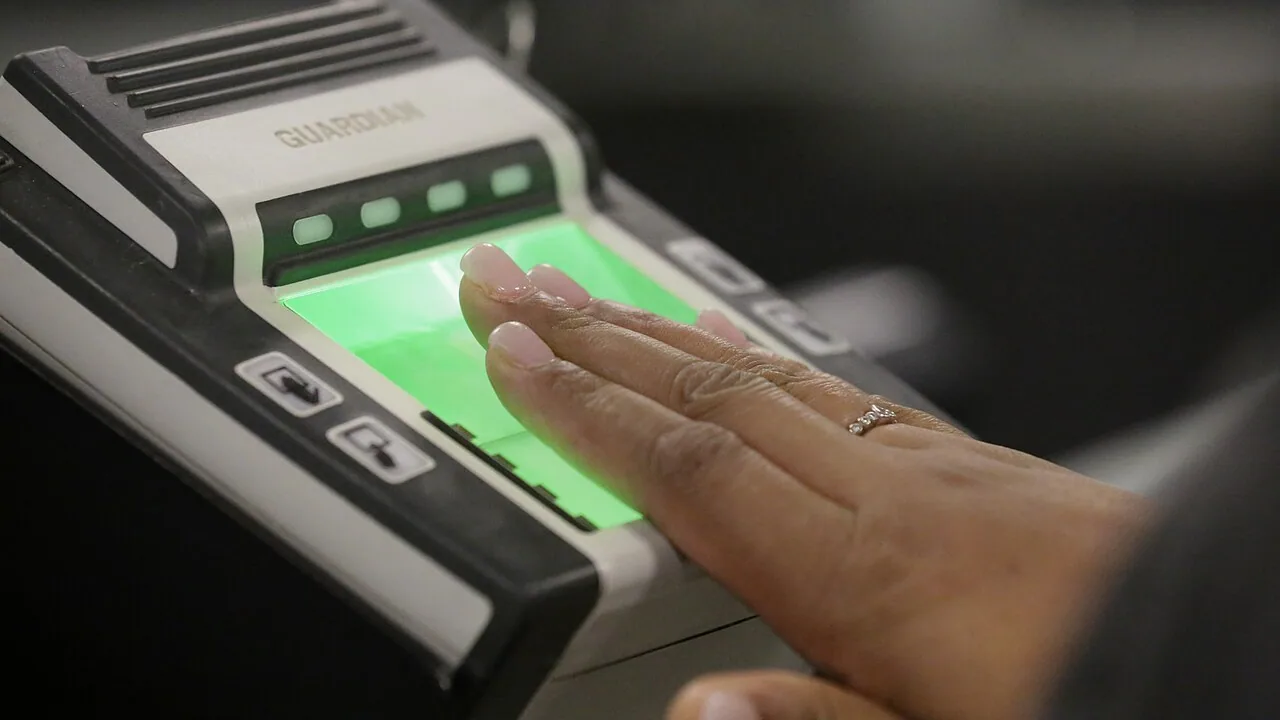
You sign up. You play. At cashout, the casino asks who you are and where the money came from. That is KYC (Know Your Customer) and AML (anti–money laundering). It checks your name, age, and address. It looks for risk, like stolen IDs, fraud, or dirty funds. The aim is fair play, safer payments, and trust. Good casinos do this fast and explain what they need. If you know what to expect and prepare the right files, the process is smooth, and your payout is not stuck.
Most players feel the same pain point: “I won. Why is my money on hold?” You may fear that your private data could leak. You may think the casino is stalling. In truth, the operator is bound by law. If it pays out without checks, it risks fines, loss of license, or a crime risk on its platform.
Rules do not come from the casino alone. They flow from global standards for anti-money laundering set by the Financial Action Task Force (FATF). See the FATF Recommendations here: global standards for anti-money laundering. Local laws then turn those into real duties for each market. So, yes, it can feel like extra steps. But the point is to keep crime out and keep payouts clean.
You enter your name, date of birth, email, and address. In the background, the site may check your IP and device. It may match your name and birth date with data sources. If all looks fine and your stake is small, you may play with few blocks. But a later withdrawal will still need proof before release.
Most sites will ask for a photo ID (passport, ID card, or driver’s license) and a proof of address (utility bill or bank letter no older than 3 months). Many use liveness checks, where you take a quick selfie or video to show you are real and match the ID. These checks map to formal digital identity levels, like those in NIST 800‑63‑3; see digital identity assurance levels. If the images are clear and all data matches, approval can be fast.
If your spend or wins rise, the site may ask where your money comes from. This is “source of funds” (SoF) or “source of wealth” (SoW). You may share a redacted bank statement, a payslip, or proof of a big sale or win. Only what is needed should be asked. You can black out lines that are not relevant, but keep your name, the bank logo, dates, and key sums clear.
Monitoring does not stop after KYC. The site looks at patterns. Sudden large deposits, many cards, fast in‑out play, or chips moved between linked accounts can flag a review. It does not mean you did wrong. It means the system needs to be sure.
Higher risk cases need more checks. That can be high spend, complex payment routes, or links to sensitive roles. Firms also screen for politically exposed persons (PEPs). See context on PEP risks here: politically exposed persons (PEPs). If you fall in a higher risk group, expect more proof and longer review times.
Casinos must meet strong rules in many countries. In the US, for example, the Bank Secrecy Act applies to casinos and card clubs; see FinCEN: AML obligations for casinos and card clubs. Here is what you will likely see as a player.
| Sign‑Up | Name, birth date, address, email | Device and IP check, geolocation, duplicate accounts | Instant to minutes | Fake or cloned IDs, self‑exclusion evasion | Use your legal name as on your ID. Avoid VPNs. |
| First Withdrawal | Photo ID, proof of address, liveness selfie | Sanctions and PEP screens, watchlists | Few hours to 48 hours | Fraud, chargebacks, sanctions risk | Upload full edges of ID; no glare; clear text. |
| Higher Spend | Source of funds (bank statement, payslip) | Pattern and affordability review | 1 to 5 days | Money laundering, problem play | Redact lines not needed; keep names and dates visible. |
| VIP Review | Extra SoF/SoW, occupation details | Deeper PEP/sanctions checks, media scans | 2 to 7 days | High‑value laundering, reputational risk | Share clean scans; expect a call for clarity. |
| Crypto Deposit | Wallet address; sometimes ID upfront | Blockchain tracing, travel rule checks | Minutes to 24 hours | Mixers, hacked funds, cross‑chain risks | Use a known wallet; avoid tainted coins. |
Fair sites do not ask for your full banking history or your full card PAN by email. They do not ask for passwords. They should only collect what they need, for clear reasons, and store it safely. This follows data laws, like GDPR, and core privacy ideas like data minimization. See the UK ICO’s guide on these points: lawful basis and data minimization principles.
If a request feels odd, ask support why. A good team will explain the rule, the document they need, and how to send it in a secure way. If they push you to send files in chat or by plain email, you can say no and ask for a secure upload link.
Crypto adds extra checks. Many sites trace coins and look for bad links on chain. Rules for virtual assets grow fast. FATF gives clear guidance on this area; read more here: AML/CFT for virtual assets and VASPs.
VIPs face more proof. Big sums raise risk. So do public roles. You may need more SoF/SoW and longer phone checks. This is normal.
Cross‑border play adds layers. If you sign up from the UK, for example, operators must follow the License Conditions and Codes of Practice (LCCP). Here is the rulebook: UK gambling AML requirements (LCCP). Other places have their own rulebooks. If you travel, the site may re‑check your location and ID.
Most brands do not build all checks in‑house. They use ID and AML vendors. These tools read your ID, match your face, and ping watchlists. The casino’s system then scores risk based on rules set by the compliance team.
Sanctions checks matter a lot. Funds must not touch blocked persons or groups. In the US, the main list is OFAC’s SDN. You can see it here: U.S. sanctions lists (SDN). Other regions have their own lists.
Data security is key. Good firms use strong controls, audits, and third‑party certs. ISO/IEC 27001 is a common mark of a mature security program. Read more: ISO/IEC 27001 information security.
And no, robots do not do it all. Most alerts get looked at by trained people. A simple mismatch can be fixed with a short note or one extra file.
If a flag pops, the site may pause cashout. A human will check your file. They may ask a few short questions. If risk stands, the firm can file a report with the state. For a clear view on how AML works in law enforcement, see Europol’s page: Europol’s overview on money laundering.
Most reviews end with “all clear” once facts match. If not, funds can be held and the account closed. If you think the site made a mistake, ask for the complaints path or an ADR (if your market has one).
Casinos must keep some records for years. The exact time differs by law and license. Files kept may include ID, address proof, SoF/SoW, and notes from reviews. Access is limited to staff who need it for legal tasks.
You have rights. You can ask for a copy of your data, a fix for wrong data, or to close your account. Some rights have limits if a law says the firm must keep data for AML.
If you want to see an example of a regulator’s guide on AML and record keeping for gaming, the Malta Gaming Authority has one: Malta Gaming Authority AML/CFT guidance.
Start with license checks. Read the footer and help pages. Good sites show who licenses them and where they are based. In Australia, for example, the AML watchdog is AUSTRAC. You can read its guidance for casinos here: AUSTRAC casino obligations. In Canada, the AML body is FINTRAC; see: FINTRAC obligations for casinos.
Next, compare how brands explain checks in plain words. Do they list the files they accept? Do they say how long reviews may take? Independent reviews of games and sites can help you set expectations. For a clear view on live dealer rooms, formats, and house rules, you can look at guides to beliebte Live Casino Spiele that also flag KYC points that often matter for cashouts.
Look for signs of fair KYC: short, clear help pages; secure upload tools; no push for email file send; and a real complaints path. If you see vague terms or no policy links, that is a hint to pass.
Now and then, a brand fails on KYC/AML and pays a price. Public actions often cite weak checks, slow reports, or poor VIP reviews. These are caution signs for players too. The UK Gambling Commission posts many such actions in its news feed. You can browse recent cases here: UKGC enforcement and regulatory actions. The lesson is simple: strong KYC is not a hurdle; it is a mark of a safe, licensed site.
KYC and AML are not there to annoy you. They help keep crime out and your wins safe. When you know what is checked and why, you can plan ahead, share only what is needed, and get paid on time. If a site is open, fast, and fair with KYC, that is a green flag. If it is vague or pushy, walk away. Stay in control and play within your limits.
This article is for information only and is not legal advice. Gambling carries risk. Set limits and seek help if you need support.
Your friend drops a link in chat. “Fast payouts. Big bonus.” You feel the itch to try, but your gut says, “Wait.
It is possible to enjoy online casino games while remaining safe. This guide lays out easy, straightforward steps anyone can take to keep themselves safe.