Money online
The extra fees on internet bills
The price in the advertisement is the base price. The figure that leaves your account is the base price plus equipment, plus administration…
Last updated: July 13, 2026 • Author: A team that runs real test deposits and withdrawals on crypto-friendly sportsbooks and casinos.
I tap send on 0.03 ETH. Gas looks fine. The cashier page blinks, then shows “Pending.” Twenty seconds later, funds land. I place a live bet. Great. Later I ask for a BTC payout. The site wants three blocks. Mempool is busy. My fee is not top tier. I wait. Ten minutes. Twenty. I hit refresh. It pays. Not fast, not slow. Just crypto, with its own pace and rules.
Crypto betting can be smooth if you like control and do not mind a few extra steps. It can be rough if you hate waits when fees spike or if KYC checks stress you. If you want fast deposits, ETH often feels quick. If you want wide wallet support and strong mindshare, BTC is still king. If you need clear records for tax or spend control, plan your flow before you play.
With cards, the bank can reverse a payment. With crypto, the chain writes a record that sticks. That is on-chain settlement and confirmations. Once your tx has enough block depth, the site can treat it as final. There is no chargeback risk for the operator. For you, that means fewer holds after a deposit, and less “wait, my bank blocked this.”
But final also means you must get it right. Send to a wrong address, and funds are gone. Fees move with demand. If blocks are full, your BTC tx may sit unless you pay more. ETH has its own story. It moved to proof of stake. That helps time to finality and energy use. If you want the basics, see Ethereum proof-of-stake finality basics. In calm times, an ETH deposit can credit very fast. In hot NFT or DeFi hours, gas can jump. A small bet can then cost more to move.
One more change: your money trail is public by default. You use a wallet, not your name, but the address is on the chain. Sites and tools can link flows. That can be good for proof. That can be bad if you expect full privacy.
First, speed on deposits is real. Many sites credit after one or two ETH confirmations or after one well-paid BTC tx is seen. You do not wait for a card processor. No bank call. Just the chain.
Second, fewer borders. Crypto can work where cards fail. If the operator is licensed to serve you, the wallet route often works fine. You also get more control. You hold keys in your wallet. You can use tools to see the tx, track the fee, and plan your moves. Some games even use “provably fair.” See provably fair explained if this is new to you. It lets you check the game seed and your result math.
Third, costs can drop. When networks are calm, fees are small. Small fees plus no card markup can beat some fiat rails. Also, crypto has no traditional chargebacks. That cuts risk for the house, which can mean faster credit and fewer payment support emails for you.
Crypto is not a magic privacy shield. It is pseudonymous, not private. Your address sits on the chain. Firms link flows. Rules apply. Read why crypto isn’t anonymous. Many operators check source of funds when sums get large. Expect KYC if you win big or if flags pop up.
Regulators now push the Travel Rule for virtual assets. Sites and payment partners must know who sends and who receives in some cases. See the AML and Travel Rule guidance. If you bet across borders, there is also the risk of blocked service due to sanctions lists. You can read about sanctions compliance and see why a site may hold a payout while it checks risk.
Then there is timing and fee pain. BTC fees can spike when blocks are full. ETH gas can jump when the chain is hot. Your bet size may be fine, but the move in and out can cost more than you planned. Volatility is a factor too. If you deposit in BTC, play for an hour, then withdraw, your balance may swing in fiat terms even if you break even in chips. This can help you. It can also hurt you. Plan for both.
On busy days, I see BTC fees jump on the screen fast. You can watch Bitcoin fee dynamics to get a sense. ETH is more smooth most of the time, but big mint drops or a popular airdrop can lift gas in minutes. Check the Ethereum gas tracker before you click send. Also, think about layers. BTC has Lightning. ETH has rollups. Support across sportsbooks is mixed, but growing. These layers cut wait and fee when they work end to end.
| Typical deposit crediting pattern | Often 1–3 block confirmations; some sites credit on seen-mempool with high fee (ranges vary) | Often 1 confirmation or near-instant credit with small hold (ranges vary) | Faster credit = faster bets; rules differ by site, so check cashier policy |
| Fee behavior under load | Fees rise when blocks are full; replace-by-fee can boost stuck tx | Gas scales with network demand; base fee + tip model | High load can eat small bankrolls; plan send times or use layers |
| Finality model and timing | Probabilistic finality; deeper blocks = safer | Proof-of-stake checkpoints; fast economic finality | Impacts how soon sites trust funds and release payouts |
| Volatility during a play session | High vs major fiat; value can swing within an hour | High vs major fiat; also swings intra-day | Bankroll in crypto can gain or lose vs fiat mid-session |
| Privacy model | Pseudonymous; chain is public; clustering links addresses | Pseudonymous; chain is public; DeFi history can reveal more | Assume traceability; expect KYC for big wins or flags |
| Layer-2 options today | Lightning for fast, low-fee sends; support varies by site | Rollups (e.g., optimistic, ZK); off-ramp support varies | When supported end to end, layers feel near-instant and cheap |
| Smart-contract features | Limited on base layer; some escrow via third parties | Rich smart contracts; promos and escrow logic possible | Can enable novel promos or transparent rewards logic |
| Wallet UX and support | Very broad support; many hardware wallets | Broad support; many multi-chain apps and tools | Better wallet UX reduces user error at cashier |
| Reversibility / chargebacks | No on-chain chargebacks | No on-chain chargebacks | Mistakes are final; double-check addresses and networks |
| Compliance friction | Checks rise with payout size or risk flags | Checks rise with payout size or risk flags | Licensed sites must follow AML/KYC; delays can occur |
Notes: Fees and times vary by network load and site rules. Check live BTC fees on mempool explorers and live ETH gas on Etherscan. For energy context, see the Bitcoin electricity index.
Licensed brands must run checks. They track risk, logs, and flows. They need to stop fraud and keep player funds safe. The UK has strict rules here. See the UK Gambling Commission AML guidance. Malta guides the use of digital assets in gaming too. See the MGA guidance on virtual assets.
This is why you may see a pause before a big payout. A human may review your profile, tx path, and flags. If network fees are high, the site may also wait for a calmer window to batch sends. None of this feels fun when you want your money now. But it is part of how regulated sites operate today.
Step 1: Pick a wallet you control. Write down your seed phrase on paper. Do not store it in plain text. Use a strong passcode. For guidance, see the NIST password guidance.
Step 2: Start small. Make a tiny deposit first. Watch how fast it credits. Note the fee. Take a screenshot of the cashier and the txid. If the site lists how many confirmations they need, save that too.
Step 3: Try a small payout the same day. See what they ask for. Time it. Keep notes. If you use BTC a lot and your site supports it, test the Lightning Network overview path for speed and cost. If not, pick quiet network hours for main-chain sends.
Step 4: Set guardrails. Decide your session budget in fiat. Convert only what you plan to play. Keep tax notes as needed for your country. If you feel stress or chase losses, stop and seek help. For free tools and support, see responsible gambling help.
Do not guess on licenses or payout habits. Use a shortlist that checks these points with real tests. A good hub shows license data, on-chain test deposits, and payout timing proofs. You can start with expert-tested casinos that list this due diligence in plain view, so you avoid slow withdrawals and unlicensed sites.
No. BTC and ETH are public chains. They are pseudonymous, not private. Sites and analytics firms can link flows. Many licensed brands must run KYC on big wins or risk flags.
It depends on network load and site rules. ETH often credits fast in calm times (one confirmation). BTC depends on your fee and the number of blocks the site needs. Check the cashier page for exact rules.
Risk and AML checks, manual reviews, and fee spikes can slow things down. Regulators expect checks, and licensed brands comply. Some sites also batch payouts to save fees at peak times.
Rules vary by country. In the U.S., crypto events may be taxable. Read the IRS — virtual currency guidance. In other places, gambling wins can be tax-free but crypto moves can still be taxed. Ask a local pro.
Yes, if your site supports it end to end. It can be near-instant and low-fee for BTC. But not all sportsbooks have it yet. Test with a small amount first.
Look for strong regulators like the UKGC or MGA. Check the license number on the site and match it on the regulator’s page. If the data does not match, walk away.
Any big site can face bots or DDoS. Reputable brands use strong defense. For background, see Cloudflare on DDoS and bots. If a site is down often, that is a red flag.
No. Bad use exists, but data shows mixed trends and more tracking. Read summaries in the latest Chainalysis Crypto Crime Report. Licensed sites do AML and KYC to stay compliant.
We rely on public docs and live tools, plus our own test logs. For core background, see Bitcoin.org, Ethereum.org, the FATF Travel Rule note, the UKGC and MGA guidance, mempool and gas trackers, and CCAF energy data. We check fee and timing trends often, since they change with demand.
The price in the advertisement is the base price. The figure that leaves your account is the base price plus equipment, plus administration…
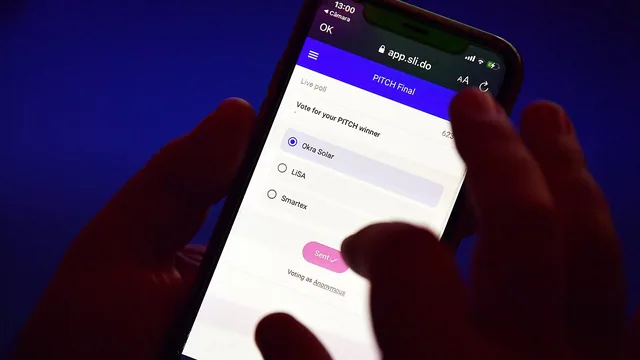
Paying online with a card, a wallet or a bank transfer looks like the same act with three buttons.
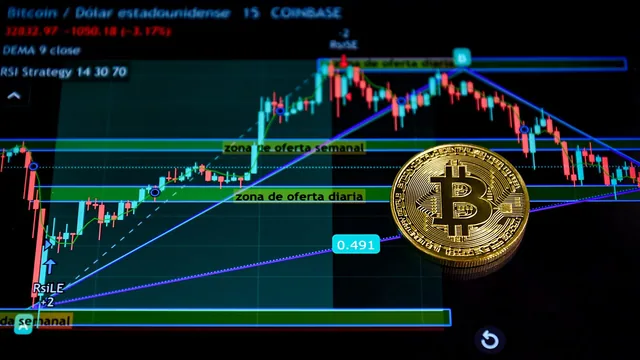
Payment services close, merge and rebrand regularly, and the balance sitting in one is not a bank deposit.